
Myofascial Release Tools and Foam Rollers
Myofascial release is a vital practice for maintaining the health of your body's connective tissues. At Release Hub, we offer a specialized range of tools designed to help you manage muscle tension and improve tissue quality. From the versatile muscle massage roller to the targeted peanut massage ball, our collection provides the variety needed to address different muscle groups and support consistent post workout recovery.
High-Density Foam Rollers
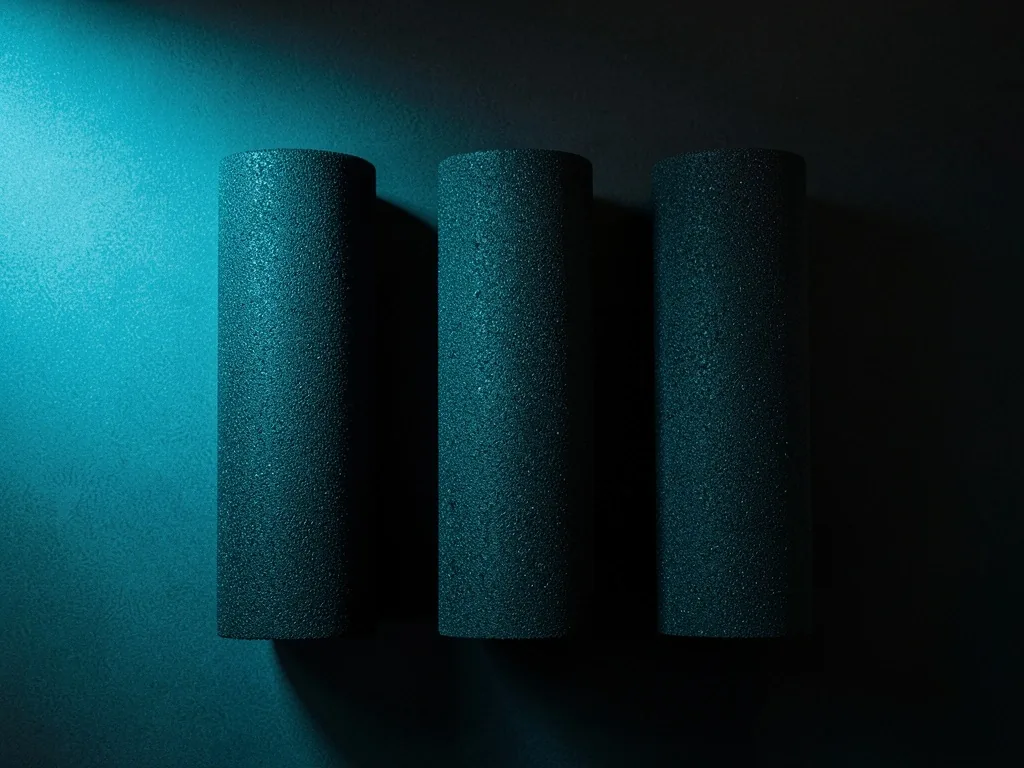
The foam roller is the cornerstone of any home recovery setup. We provide various lengths and densities to ensure you find the right level of pressure for your specific needs. A firmer roller is often preferred for larger muscle groups like the quads and hamstrings, while a softer version may be more appropriate for those new to the practice. Our rollers feature durable cores that will not lose their shape after repeated sessions.
Choose firm density for large muscle groups like quads and hamstrings. Softer rollers suit beginners building tolerance.
Smooth Surface Roller
Density: LowA uniform surface that delivers even pressure across broad muscle areas. Excellent for general flushing movements and for anyone beginning their foam rolling exercises. The smooth finish allows controlled rolling without catching on clothing or skin.
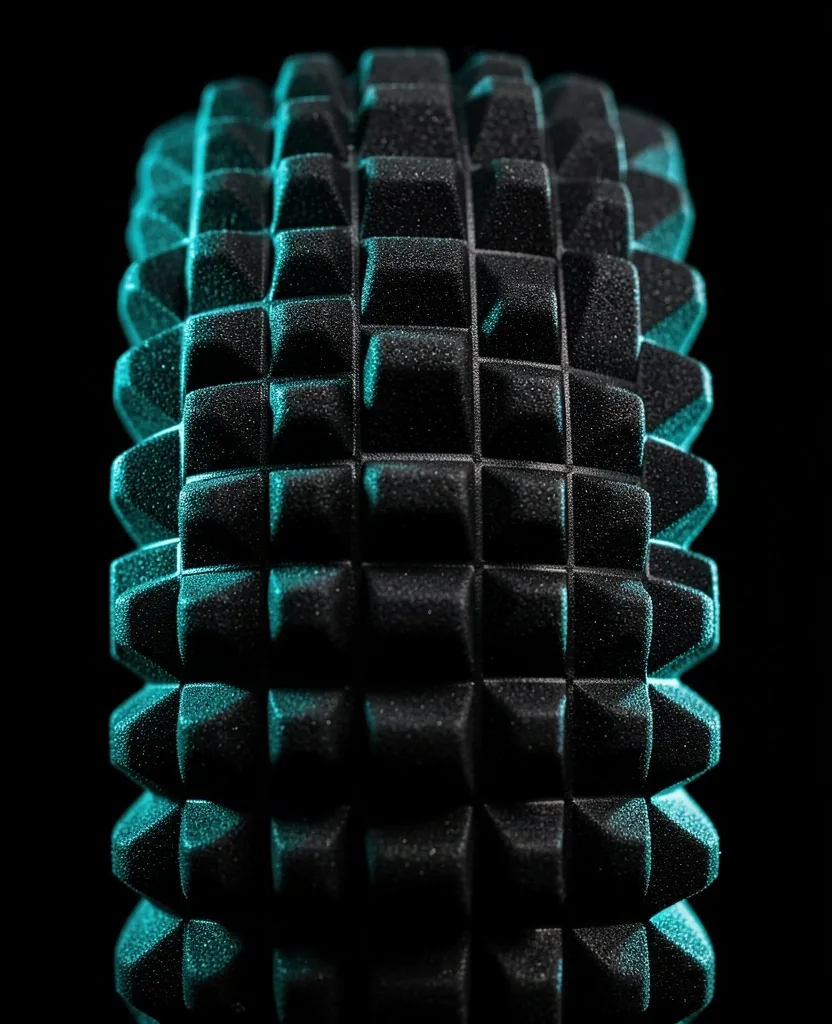
Grid-Patterned Roller
Density: MediumA textured surface with raised grid zones that mimic a thumb-like pressure point. Designed to reach deeper layers of fascia and target specific areas of tension. The varying heights let you control intensity by shifting your body weight.
Extra-Firm EPP Core Roller
Density: HighBuilt with expanded polypropylene for maximum structural integrity under heavy load. The firm response suits experienced users working on dense muscle groups. Will not compress or deform over months of daily use.
Compact Travel Roller
Length: ShortA shortened format that fits in a gym bag or carry-on luggage. Designed for targeted work on calves, neck, and arms when space is limited. Maintains the same density and surface texture as the full-length versions.
Targeted Relief with Massage Balls
For smaller areas like the glutes, shoulders, or the soles of the feet, a standard roller might be too broad. This is where individual massage balls and the peanut massage ball become essential. The peanut shape is specifically designed to cradle the spine, allowing you to apply pressure to the erector spinae muscles without putting direct weight on the vertebrae. These tools are compact and portable, perfect for maintaining your routine while traveling.
Single Massage Ball
A dense sphere for pinpoint work on shoulders, glutes, and foot arches. Rolls smoothly over concentrated tension spots.
Peanut Massage Ball
A dual-lobe design that straddles the spine. Targets the muscles running parallel to the backbone without pressing on bone.
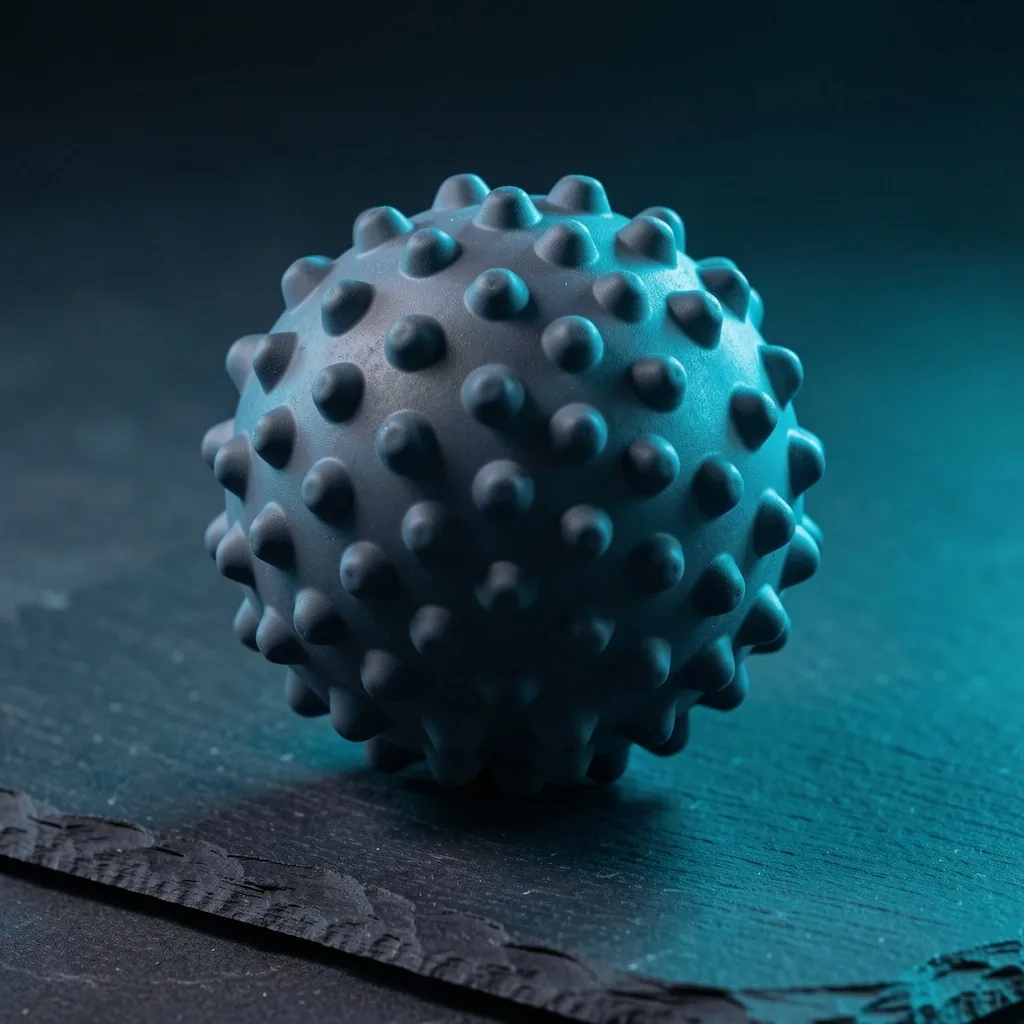
Knobbed Texture Ball
Raised nodules simulate a targeted thumb press. Designed for stubborn areas where a smooth surface cannot reach deep enough.
Soft Density Ball
A gentler surface for sensitive areas and for those new to targeted pressure work. Useful for gradual tissue warm-ups.
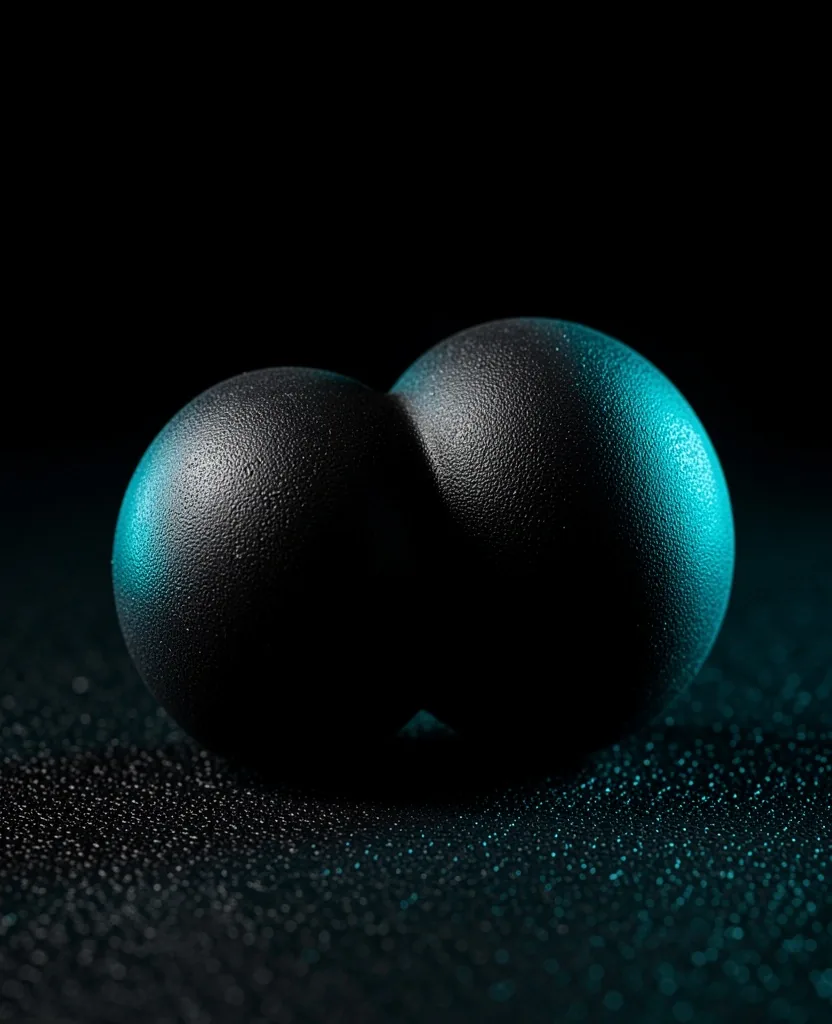
The peanut shape straddles the spine. Pressure lands on the erector spinae muscles, not on the vertebrae themselves.
Addressing Muscle Knots
Learning how to release muscle knots effectively requires tools that can penetrate deep into the tissue. Our myofascial release tools are designed with specific textures ranging from smooth to knobbed to simulate different massage techniques. By applying sustained pressure to a knot or trigger point, you can encourage the muscle to relax and improve blood flow to the area. This process is a key component of a successful muscle recovery strategy and pairs well with a consistent body stretching routine.
Locate the Knot
Slowly roll across the muscle until you find a concentrated spot of tension. Pause directly on the area without rolling over it rapidly.
Apply Sustained Pressure
Hold the tool in place over the knot. Breathe steadily and let your body weight do the work rather than forcing the pressure.
Release and Move
After thirty to sixty seconds, slowly roll away from the spot. Follow with gentle movement through the full range of the muscle.
Texture guide: smooth surfaces deliver uniform pressure for general flushing. Knobbed and grid-patterned surfaces simulate a focused thumb press for deeper tissue work.
Durability for Daily Use
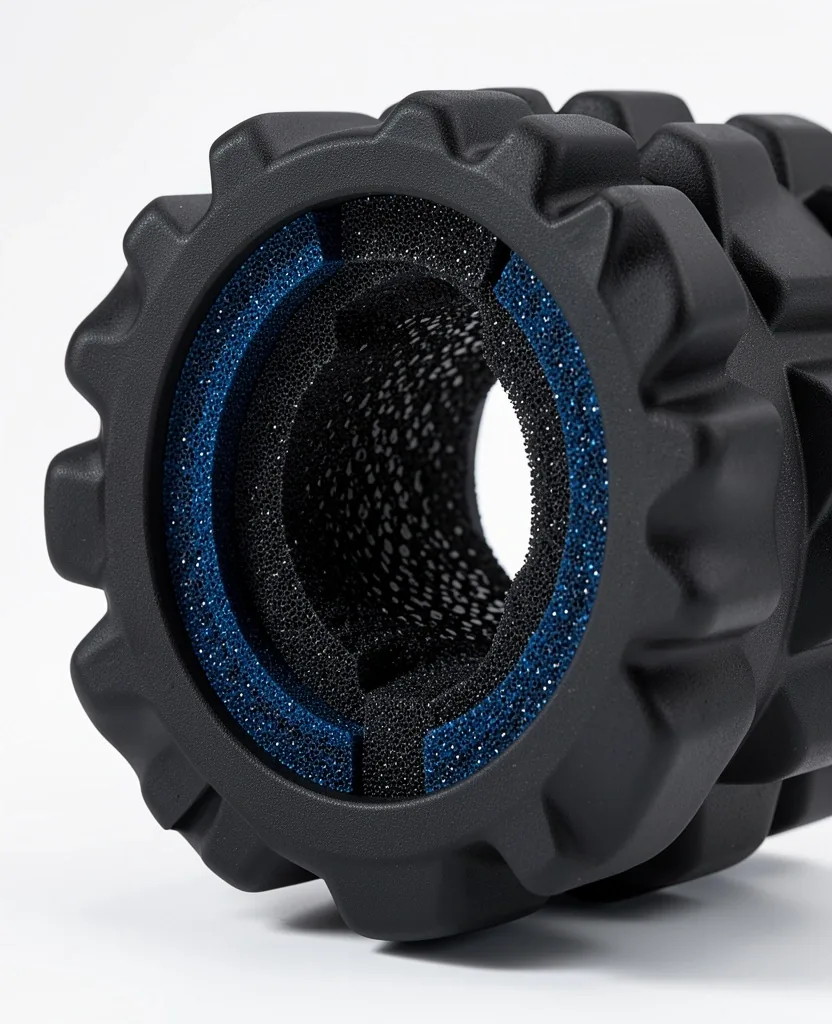
We select our MFR tools based on their material resilience. Cheap foam can compress and become useless within weeks. Our high-density EVA and EPP rollers are designed to retain their structural integrity over months of daily sessions. This ensures that the pressure you feel on day one is the same pressure you get six months later. Investing in quality tools means a more consistent recovery experience and less waste over time.
Material choice also affects how the tool interacts with your skin and clothing. EVA offers a slightly grippy surface that holds position on bare skin during targeted work. EPP provides a harder, more slippery finish that glides smoothly over fabric. Both materials are free from the soft, compressible foams found in budget alternatives that flatten under body weight and stop delivering useful pressure within a short period.
Ethylene-vinyl acetate foam. Slightly tacky surface texture, medium-firm density. Holds position well on bare skin. Common in textured and grid-patterned rollers.
Expanded polypropylene. Harder, more rigid response. Lightweight and highly resistant to permanent deformation. Used in extra-firm and compact travel rollers.
Portable Mobility Solutions
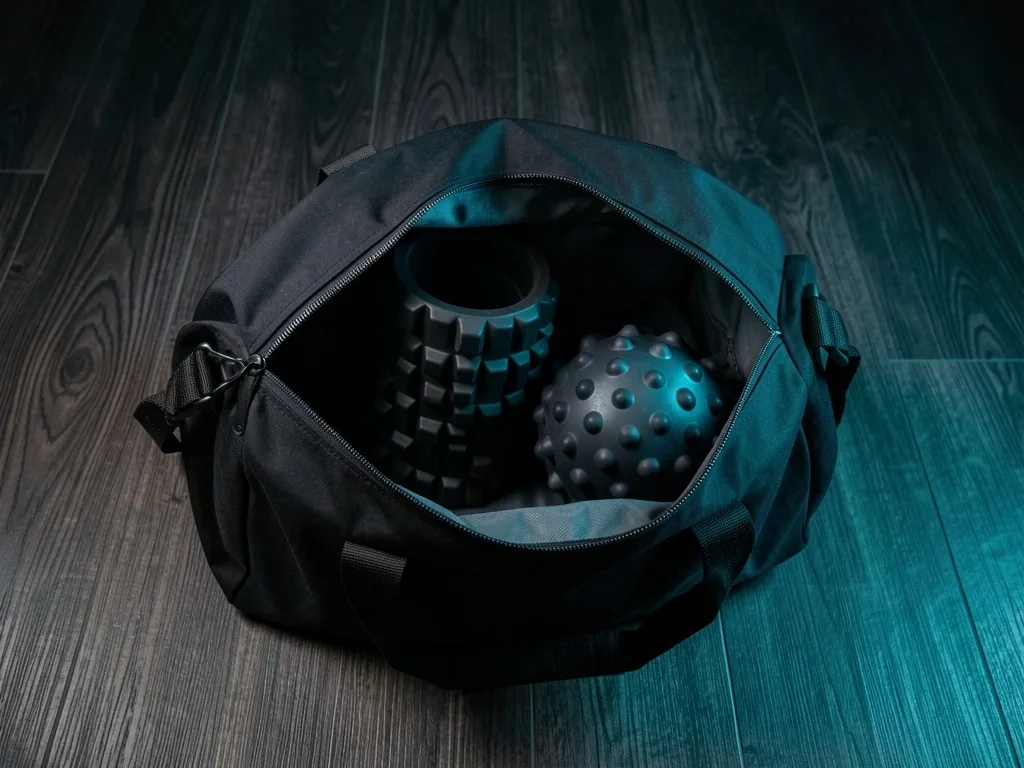
Many of our myofascial release tools are designed with portability in mind. The peanut massage ball and smaller rollers fit easily into a gym bag or carry-on luggage. This allows you to address muscle tension immediately after a flight or a long commute, preventing stiffness from setting in. Maintaining your mobility should not be restricted to your home gym or a specific location.
Gym Bag Ready
Compact rollers and massage balls take up minimal space alongside resistance bands and fitness bands.
Travel Companion
A peanut ball or single massage ball fits in carry-on luggage for post-flight mobility work in a hotel room.
Desk Side Relief
Keep a massage ball at your workspace for short breaks targeting shoulders and upper back after long seated sessions.
Choosing the Right Texture
The surface of a foam roller dictates the intensity of the experience. We provide clear descriptions for each product to help you choose the tool that matches your current tolerance and recovery goals. Your preference may shift over time as your tissue adapts to regular rolling.
Uniform Pressure
Provides even, predictable contact across the muscle. Excellent for general flushing movements, broad muscle sweeps, and for anyone new to foam rolling exercises. A good starting point for stretching for beginners.
Targeted Intensity
Raised zones create a more intense, thumb-like sensation that reaches deeper layers of fascia. Suited for experienced users who want focused pressure on dense muscle groups and specific tension areas.
If you are unsure where to start, a medium-density smooth roller covers the widest range of use. You can add a textured ball later for targeted knot work as your tolerance builds.
Integrating MFR into Your Routine
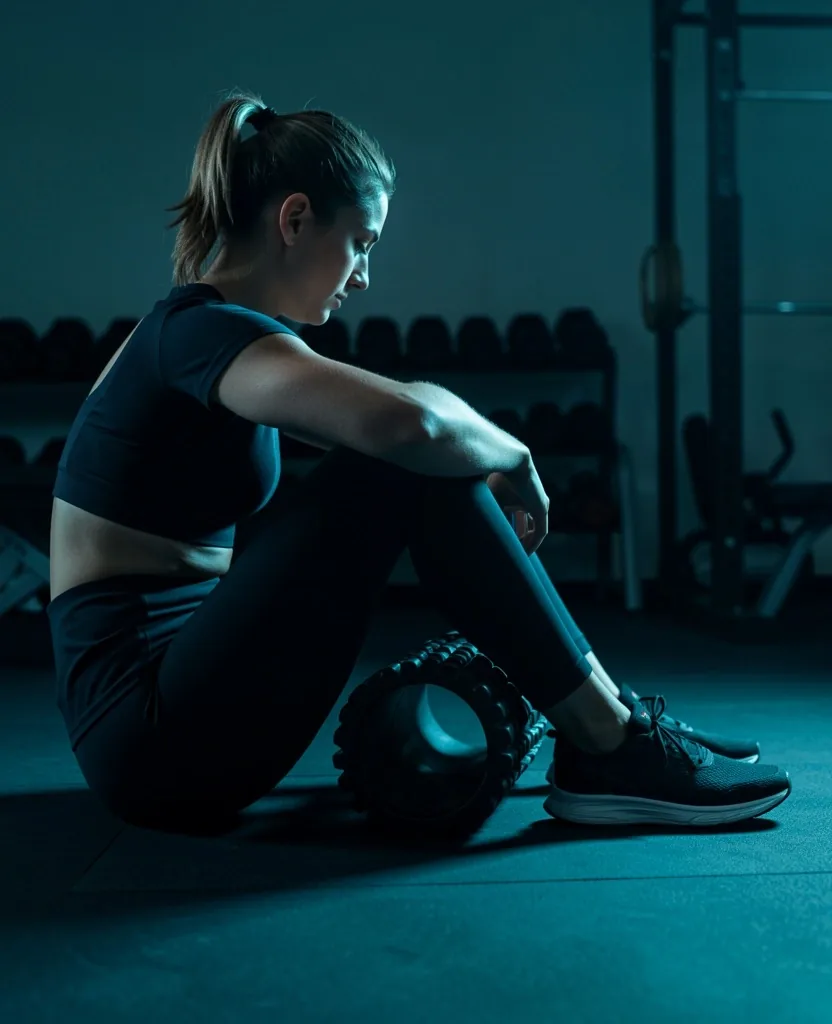
Myofascial release is most effective when performed consistently. We recommend a short session of five to ten minutes either before exercise to wake up the tissues or after exercise to aid muscle recovery. Our catalogue includes various sizes to ensure you can perform a full body stretching routine or targeted MFR wherever you have a small amount of floor space.
Whether you are a runner, a weightlifter, or a weekend hiker, your muscles require attention after exertion. Integrating a muscle massage roller into your post-workout routine helps in flushing out metabolic waste and reducing the sensation of stiffness. Our tools are used by a wide range of individuals across the UK to maintain their physical readiness for the next session.
Five to ten minutes of rolling before activity. Use smooth, broad strokes to increase blood flow and prepare tissues for movement.
Five to ten minutes after exercise. Slower, sustained pressure on worked muscle groups to support recovery and reduce stiffness.
Need Help Choosing?
If you are deciding between a foam roller, a massage ball, or a peanut massage ball, we can help. Reach out with questions about density, size, or how to match a tool to your current routine.
Contact Release Hub 77 Recovery Court
Leeds, LS1 2HL
United Kingdom
+44 113 494 8228
Mon to Fri
9:00 to 18:00